Ground TruthPhysical reasoning, light
and visual reconstruction

Benchmark task
A plank, computer mouse and blueberry in a steel room test physical stability, spatial relationships, materials and lighting.
First run
 stealthmodels.
MODEL BENCHMARKS
Reflection’s open-weight reasoning model activates 23.4B of its 501.3B parameters per token, with a million-token context for coding and long-running agents.
DATASHEET
A good fit forSoftware engineering, multi-step tool workflows and mathematical or scientific reasoning across large codebases and documents.
Beam 1.0 501B A23BOther modelsMedian
Beam-1.0-501B-A23BOfficial BF16 weightsOfficial FP8 weightsOfficial NVFP4 weightsOfficial DFlash2 drafterUnsloth GGUF weights
OpenCode Beam Free: $0 input / $0 output for a limited time. OpenRouter / Nebius: $0.25 input / $1 output per 1M tokens. Reflection advertises free-to-start public beta access; no exact first-party rate verified.
per 1M tokens
reflection/beam-freeper 1M tokens
reflection/beam-1.0-501b-a23bper 1M tokens
limited-time promotion
Limited-time free offer; account access and regional availability follow OpenCode’s terms.
beam-freeper 1M tokens
Available
Listed Nebius FP8 endpoint; input and output rates per million tokens.
reflection/beam-1.0-501b-a23bbeam-freereflection/beam-1.0-501b-a23bBeam-1.0-501B-A23BBeam-1.0-501B-A23Breflection/beam-freeWeight payload size excludes KV cache, runtime overhead and additional serving components; it is not a minimum VRAM requirement.
Our speed measurement: 972.09 tokens/s on average, from 883.62 to 1,148.11 tokens/s.
How StealthMark scores models · General and Visual Intelligence
Benchmark results

Model IDreflection/beam-1.0-501b-a23b
 StealthMark#52of 64General32.0Visual30.1
A plank, computer mouse and blueberry in a steel room test physical stability, spatial relationships, materials and lighting.
First run
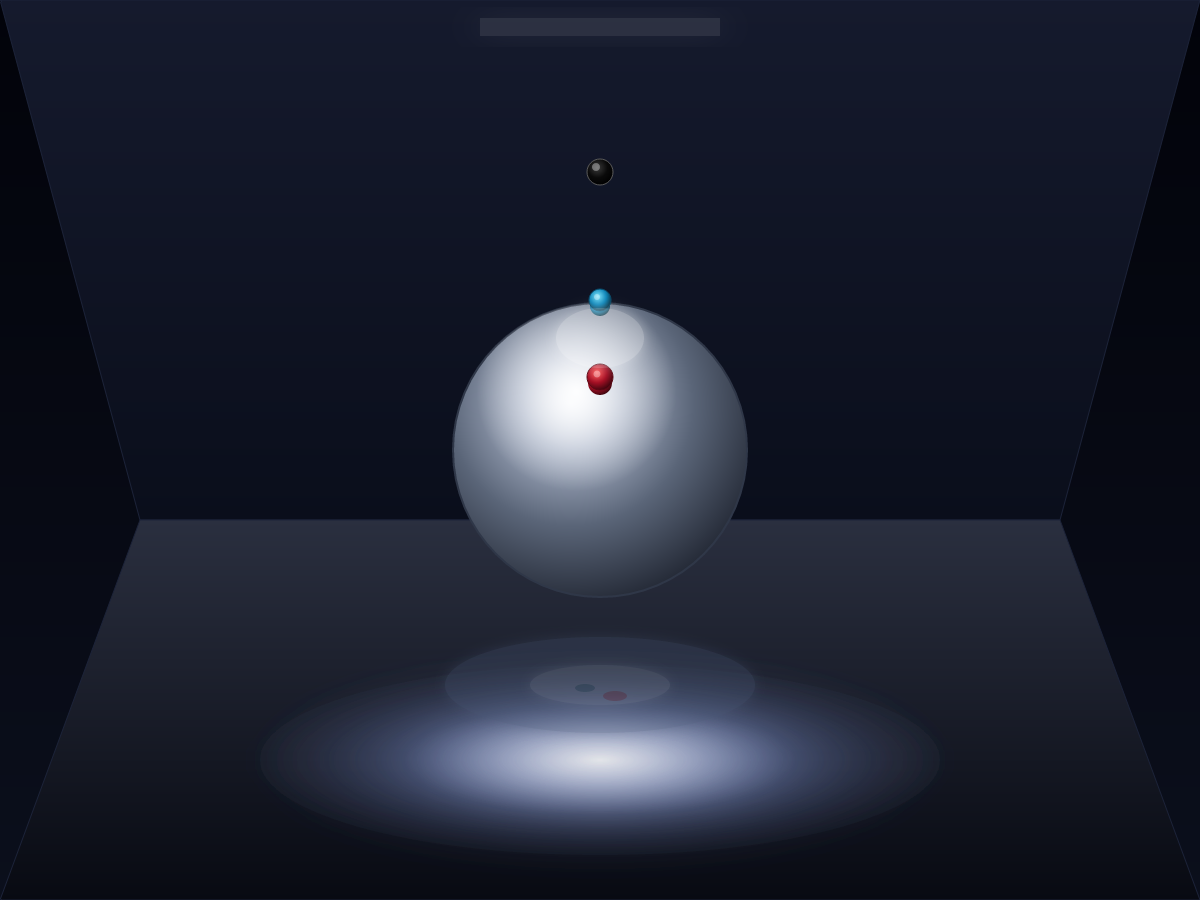
A spinning metal sphere and paint in a mirrored room test physical reasoning, perspective and consistency across repeated reflections.
First run
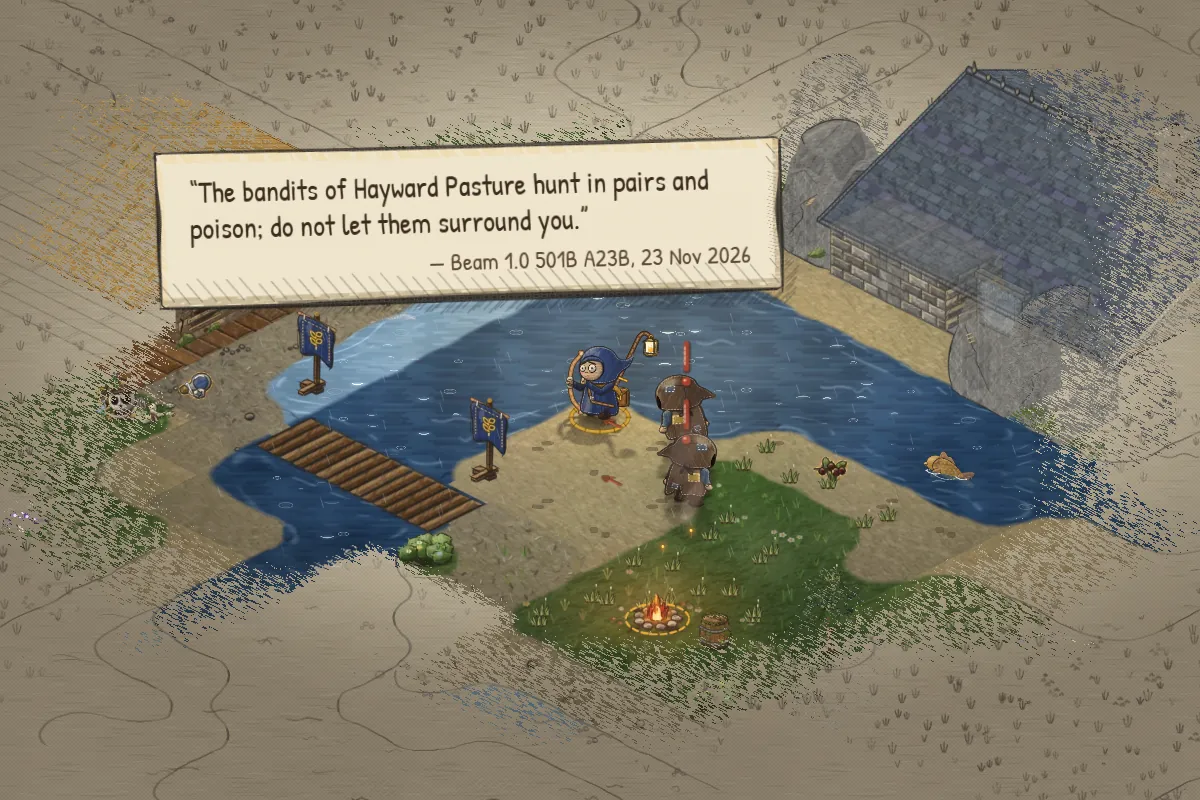
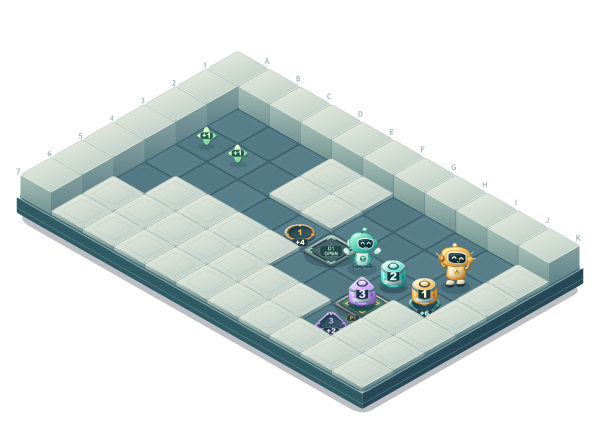
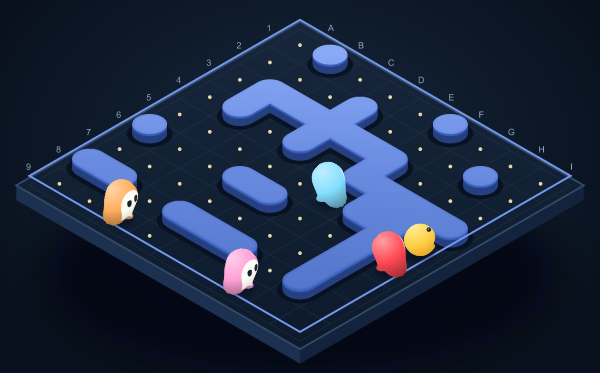

An SVG interpretation of the Mona Lisa tests facial likeness, anatomy and the composition of a familiar portrait.
First run

A jet-ski scene pairs a canine driver with a raccoon passenger. It tests the placement and contact of interacting subjects, along with vehicle construction.
First run

A busy shoreline at sunset tests scene composition, animal forms and the relationship between light and water reflections.
First run

A golden pangolin polishes its oversized amber tail while its nose smudges the same scale. The scene tests expressive anatomy, physical contact and contrasting translucent, polished and soft materials.
First run

A cycling pelican tests anatomy, riding posture and contact between the bird and the bicycle.
First run
Try another task or widen your model selection.
StealthMark scoreStealthMark measures how well a model’s abilities carry over to original, demanding tasks it could not have trained for: physical and spatial reasoning, planning across many steps, and precise visual work. How StealthMark works explains every benchmark, what it tests and why it is hard.
The ability to reason, plan, solve problems and understand how things relate and behave. A high score means it thinks hard problems through, from careful analysis to plans that span many steps.
The ability to understand visual intent and turn ideas, descriptions and plans into coherent, effective visuals. A high score means design ideas come out the way you meant them, in illustrations, icons, diagrams or interface visuals.
Overall shows how well a model’s abilities carry over to original, demanding tasks, weighting every benchmark into one score. Estimated means the total includes an estimate for one missing scene.
Scores reflect how well each result meets the benchmark requirements. Game scores come from the recorded play: the points earned on each level and how each level ended. How StealthMark keeps scores honest.
Each game is a sequence of levels, and earlier moves carry into later levels. A level that was not played is shown as not played and never counts as zero. Play every level of Latch or Foresight yourself to get a score calculated like the models’.
Good results with little thinking score high. On each task, a model’s result and reasoning tokens are compared with every other model and combined with the Balanced Integration Score (Liesefeld & Janczyk, 2019); 50 is average. Single step shows how much reasoning a model needs to understand and solve one problem, multi-step how efficiently it keeps working on a task by building on its earlier reasoning, as in agentic workflows. Not part of StealthMark.
How much StealthMark a model delivers for its money, in StealthMark points per dollar: its overall score divided by what one benchmark task costs it on average. The cost is what our runs were charged, or their tokens at the model’s list price; benchmarks a model has not run yet are estimated from its other costs. Like StealthMark, it is absolute and compares with no other model. Not part of StealthMark.